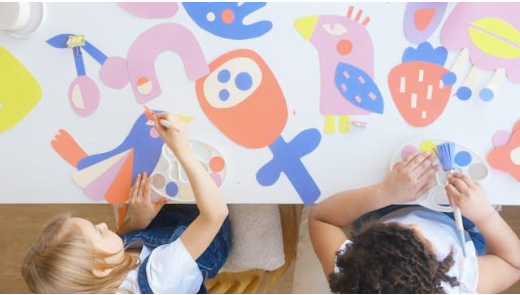
If you’re thinking about sending your child to preschool, you might be wondering what they’ll actually learn there. It’s natural to focus on academics like learning letters and numbers but those aren’t the only things that matter. One of the most important parts of early education is helping your child develop strong social skills. These are the behaviors and habits that help children make friends, handle emotions, and work well with others.
You may have already noticed your child starting to pick up on some of these skills during playdates or family outings. But in a preschool setting, these lessons are taught more consistently and with a clear purpose. These skills don’t just help with kindergarten but they’re also useful for life.
1. Learning to Share and Take Turns in Preschool
One of the first social lessons your child learns in preschool is how to share and take turns. At home, they may be used to having things their way, especially if they don’t have siblings. But in a classroom with other children, they’ll be expected to use materials together, wait patiently, and allow others to go first.
Teachers guide them through these moments by setting clear expectations and helping them see the value of being fair and kind. Over time, your child begins to understand that everyone gets a turn and that sharing can lead to more fun and fewer problems.
2. Preschool Teaches Kids How to Communicate Clearly
Another important skill your child picks up in preschool is how to use words to express thoughts and feelings. When something upsets them, they learn to talk about it instead of throwing a tantrum or shutting down. Teachers encourage kids to speak up, ask for help, and listen to others.
These conversations don’t have to be complicated. Even a simple “Can I play with you?” or “I don’t like that” helps your child feel heard and respected. Practicing this kind of communication early on makes it easier for them to build strong friendships and handle conflicts in the future.
3. Following Rules and Routines Starts in Preschool
In a preschool environment, kids start to understand the importance of rules and routines. Whether it’s cleaning up after an activity, lining up for snack time, or using an inside voice, these small habits help children function well in a group.
Rules give your child structure, while routines help them feel safe and know what to expect. When your child follows classroom rules, they’re learning how to be responsible, respectful, and cooperative, all skills that will be expected in kindergarten and beyond.
4. Preschool Helps Kids Practice Empathy
One of the more subtle but powerful lessons your child learns in preschool is empathy. This means noticing how others feel and caring about it. For example, if another child is sad or frustrated, your child might learn to offer comfort or ask if they’re okay.
Teachers model this behavior and encourage children to think about how others feel. These small acts of kindness build emotional awareness and create a positive classroom culture. When children learn to see the world through someone else’s eyes, they become more compassionate and understanding.
5. Preschool Builds Confidence in Social Settings
Preschool helps your child feel comfortable around other people. If they’re shy or unsure, being around the same group of children every day gives them a chance to slowly come out of their shell.
They learn how to join games, start conversations, and handle group activities. Over time, their confidence grows, and they begin to see themselves as capable and valued members of the class.