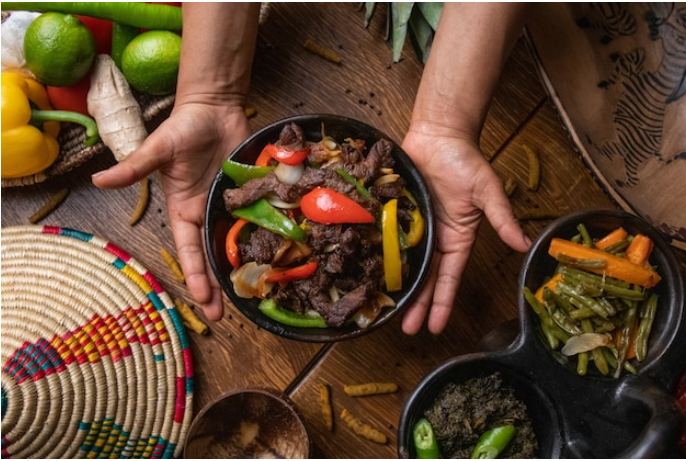
Traditional Peruvian food is a cornucopia of flavors, textures, and culinary techniques that reflect the country’s rich history and diverse landscapes. At the heart of this vibrant cuisine are the ingredients that give it its unique character. An authentic Peruvian restaurant showcases these ingredients beautifully, allowing diners to experience the essence of Peru on their plates. Understanding the key components of this delectable cuisine can enhance your appreciation for its complexity and depth.
Potatoes: The Versatile Staple
One of the cornerstone ingredients in traditional Peruvian food is the potato. With over 4,000 varieties cultivated in the Andean regions, potatoes play a central role in many dishes. From causa to papas a la huancaína, potatoes are celebrated for their versatility.
Certain varieties, such as the yellow potato, provide a creamy texture and rich flavor that enhances many recipes. An authentic Peruvian restaurant often brings these variations to light, introducing diners to the different tastes and textures that potatoes can offer in traditional dishes.
Quinoa: The Super Grain
Quinoa, a staple of Andean agriculture, has gained worldwide popularity as a superfood, but its roots lie deep in Peruvian cuisine. Known as “the mother grain,” quinoa is rich in protein and nutrients, making it a healthier alternative to many other grains.
It is often used in salads, soups, and even desserts. When dining at an authentic Peruvian restaurant, one might find dishes that highlight quinoa’s nutty flavor and fluffy texture, showcasing its traditional importance while also embracing modern culinary trends.
Aji Peppers: The Spice of Life
Aji peppers are another defining ingredient in traditional Peruvian food. Ranging from mild to fiery, these peppers add a distinct heat and flavor to various dishes. Aji amarillo, a yellow pepper commonly used in everything from ceviche to sauces, is particularly iconic.
When visiting an authentic Peruvian restaurant, you will likely encounter dishes enhanced by these peppers, which contribute not only heat but also a depth of flavor that is quintessential to Peruvian cuisine.
Fresh Seafood: A Coastal Treasure
Peru’s long coastline provides an abundance of seafood that is central to many traditional dishes, particularly ceviche. The freshness of fish and shellfish is crucial in preparing this iconic dish, where the seafood is cured in citrus juices.
Authentic Peruvian food celebrates the ocean’s bounty, often showcasing local fish like sea bass and flounder. In an authentic Peruvian restaurant, diners can experience the delicate balance of flavors and textures that make seafood the star of the menu.
Herbs and Aromatic Ingredients
Fresh herbs and aromatic ingredients are vital to the flavor profiles of traditional Peruvian food. Ingredients like cilantro, parsley, and huacatay (black mint) are frequently used to enhance the taste and aroma of various dishes.
They not only contribute to the overall flavor but also add freshness and brightness. An authentic Peruvian restaurant will often highlight these herbs, creating dishes that tantalize the palate and reflect the vibrant, wholesome essence of Peru.
Conclusion
In conclusion, the ingredients that define traditional Peruvian food are integral to understanding its rich culinary landscape. Potatoes, quinoa, aji peppers, fresh seafood, and aromatic herbs all work in harmony to create a colorful, flavorful cuisine that tells a story of the land and its people.
Dining at an authentic Peruvian restaurant provides the ideal opportunity to explore these ingredients firsthand, celebrating the intricate flavors that make Peruvian cuisine a truly exceptional experience. As the world continues to discover the wonders of this culinary tradition, the key ingredients stand as a testament to the richness and diversity of Peru’s food heritage.