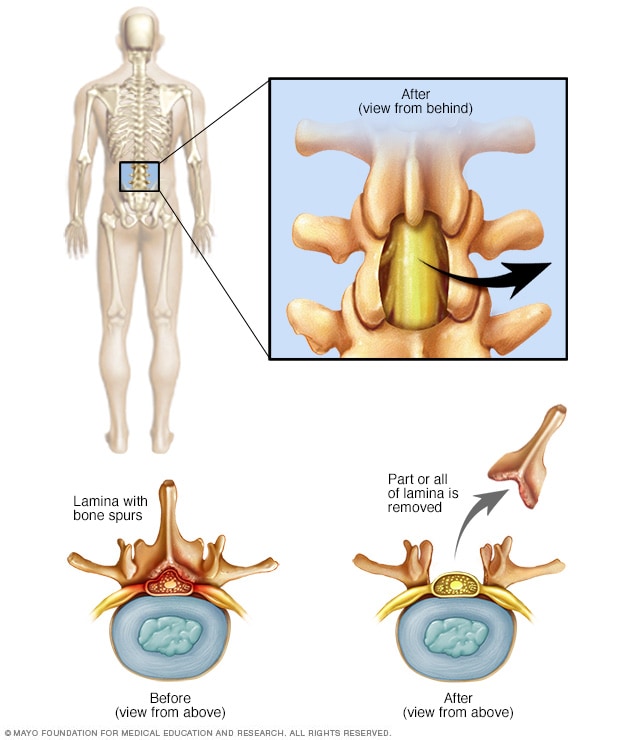
Think about the spinal cord and its branching nerve roots as a sophisticated electrical system running through a bony tunnel. That tunnel is the spinal canal, and it is precisely engineered to provide the nerves inside it with exactly enough space to function without restriction. Spinal canal stenosis is what happens when that tunnel gradually shrinks.
For most people, the narrowing is slow and nearly imperceptible until it crosses a threshold that causes real, daily symptoms. By that point, the canal has often been narrowing for years, and the quality of life impact, particularly on walking ability and independence, can be significant.
What Causes the Canal to Narrow
The spinal canal’s dimensions are maintained by the integrity of the surrounding structures. When those structures change, the available space for nerves decreases. The common contributors to stenosis include:
- Disc degeneration and bulging, as thinned and dehydrated discs protrude into the canal space
- Ligamentum flavum hypertrophy, in which the ligament running along the canal’s inner surface thickens with age and physically encroaches on the nerve space
- Bone spurs (osteophytes) that grow inward toward the canal as arthritic joint changes attempt to stabilise degenerating segments
- Spondylolisthesis, where forward slippage of one vertebra on the one below creates a shearing reduction in canal width
The Distinctive Symptom Pattern of Stenosis
Spinal canal stenosis produces a symptom pattern that experienced clinicians recognise immediately. The key feature is neurogenic claudication: leg pain, cramping, heaviness, or weakness that develops during walking or prolonged standing and is relieved by sitting down or bending forward.
The flexed posture, whether achieved by sitting, leaning on a shopping trolley, or walking slightly hunched forward, opens the posterior spinal canal slightly, temporarily easing the pressure on the compressed nerve roots. Many patients discover this instinctively, adapting their walking posture before anyone has named the cause.
Why Non-Surgical Treatment Should Come First
Surgery for spinal canal stenosis is a major undertaking with genuine risks. For the majority of patients, Spinal Canal Stenosis Treatment using non-surgical approaches should be the first and primary option. Clinical research consistently shows that many patients achieve significant functional improvement through structured conservative care, particularly when that care includes targeted decompression rather than simply physiotherapy and anti-inflammatory medication.
How Computerised Spinal Decompression Addresses Stenosis
Non-surgical spinal decompression applies controlled, intermittent decompression forces to the affected spinal structure. This creates a temporary reduction in intradiscal pressure and a slight separation of the vertebral segments. For spines with stenosis, bulging disc material can retract away from the canal boundary, circulation to the compressed nerve roots improves, and the repeated decompression over multiple sessions can produce cumulative gains in canal space and nerve function.
Combined with exercises that strengthen the lumbar flexors and core musculature, this approach addresses both the immediate source of nerve pressure and the structural contributors to its severity. Patients who complete a full course of decompression and rehabilitation consistently report meaningful improvements in walking distance, leg symptom severity, and daily function.
Daily Life Adjustments That Make a Real Difference
While undergoing treatment, certain practical strategies can significantly ease day-to-day symptoms. Avoiding prolonged upright standing and breaking walks into manageable segments with seated rest periods allows most people with stenosis to remain far more active than they might assume. Water-based exercise is particularly valuable: the buoyancy of water reduces spinal loading while maintaining the cardiovascular and muscular conditioning that supports recovery.