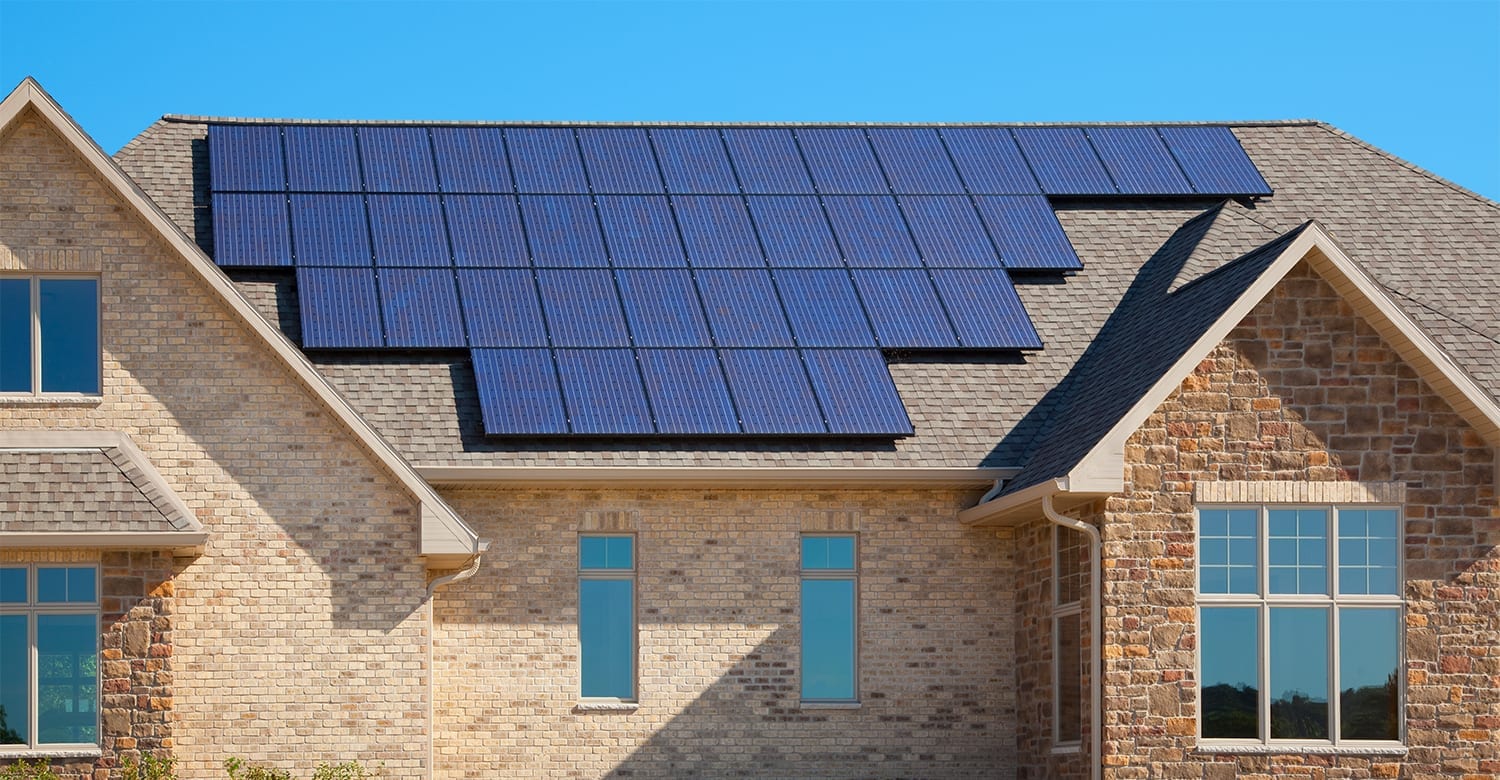
Rising electricity costs and concerns about grid reliability are driving more homeowners to seek energy independence. Many are frustrated with unpredictable utility rate hikes and power disruptions, prompting them to explore alternative energy solutions. The increasing frequency of extreme weather events has also highlighted the need for reliable, self-sustaining power sources. Freedom Forever solar systems empower homeowners to make this shift by providing dependable renewable energy solutions that support self-sufficiency and resilience. As a leading provider of solar energy, Freedom Forever makes energy independence more accessible. By generating and managing their own power, households can reduce their dependence on traditional utility providers while enhancing protection against outages.
As more homeowners recognize the importance of energy security, the shift toward self-sustaining power solutions is accelerating. Understanding the key strategies for reducing reliance on the grid can empower homeowners to take control of their energy consumption and long-term savings. This transition not only reduces costs but also ensures a more stable and predictable energy future.
Understanding Energy Independence
Energy independence refers to homeowners’ ability to generate and store their own electricity without relying heavily on the traditional power grid. This shift is often achieved through a combination of solar panels, battery storage and energy-efficient practices. As advancements in renewable energy technology continue, achieving energy self-sufficiency is becoming more feasible for households across the country.
Reducing dependence on the grid provides financial benefits and offers greater security during blackouts. In the event of power disruptions caused by extreme weather or infrastructure failures, homeowners with independent energy systems can continue to power essential appliances and maintain daily routines without interruption.
The Role of Solar Energy in Energy Independence
Solar power is one of the most effective ways for homeowners to decrease reliance on the grid. By installing solar panels, households can generate their electricity from sunlight, reducing the need for power from utility companies. Over time, this investment leads to significant energy savings as homeowners produce their renewable energy instead of purchasing it at fluctuating rates.
Net metering further enhances solar energy’s benefits by allowing homeowners to send excess electricity back to the grid in exchange for credits. These credits can be used when solar production is lower, such as at night or during cloudy days, helping to offset electricity costs.
Enhancing Energy Independence with Battery Storage
While solar panels generate electricity during the day, solar battery storage ensures that excess power can be used when sunlight is not available. Battery storage systems allow homeowners to store surplus energy for nighttime use or during outages, reducing the need to draw electricity from the grid.
Many modern battery storage solutions integrate seamlessly with solar panels, automatically managing energy flow and optimizing usage. Many companies provide homeowners with customized solar-plus-storage solutions that enhance their ability to maintain power, even when grid electricity is unavailable. With the ability to store and control energy usage, homeowners can ensure that they remain powered during critical moments without relying on unpredictable utility services.
Smart Energy Management for Greater Efficiency
Beyond generating and storing energy, improving household energy efficiency is another key strategy for reducing reliance on the grid. Homeowners can take several steps to optimize energy consumption, including:
Upgrading to energy-efficient appliances – High-efficiency refrigerators, washing machines and lighting reduce electricity demand.
Implementing smart home technology – Smart thermostats and automated energy systems help manage usage and prevent waste.
Improving home insulation – Proper insulation and energy-efficient windows decrease heating and cooling needs, lowering overall energy consumption.
Using demand-response programs – Some utilities offer incentives for shifting energy usage to off-peak hours, reducing costs and strain on the grid.
Reducing phantom loads – Unplugging devices that consume power even when turned off can contribute to additional energy savings.
Microgrids and Community Energy Solutions
For those looking to achieve energy independence on a larger scale, microgrids and community energy programs offer additional opportunities. A microgrid is a localized energy system that can operate independently from the main grid, often integrating solar, wind and battery storage. Homeowners who participate in microgrids can share energy resources, increasing efficiency and resilience.
Community solar programs also provide a way for homeowners who may not have suitable rooftops for solar panels to access renewable energy. By subscribing to a shared solar project, households can receive solar energy credits without having to install panels on their property. These initiatives help expand access to clean energy and encourage greater participation in sustainable power solutions.
The Long-Term Benefits of Energy Independence
Investing in energy independence has long-term financial and environmental advantages. Homeowners who generate their electricity can protect themselves from rising utility rates and unexpected grid failures. Reducing reliance on fossil-fuel-based power sources lowers overall carbon footprints, contributing to a more sustainable energy future.
The ability to produce and manage one’s power also adds value to a home. Many buyers view energy-efficient homes with solar and battery storage as smart investments, making these upgrades attractive features in the real estate market. Studies show that homes with solar installations tend to sell faster and at higher prices compared to homes without renewable energy features.
Taking the First Steps Toward Energy Independence
For homeowners considering energy independence, the first step is assessing their energy needs and available renewable energy options. Evaluating current electricity usage and identifying peak consumption periods can help determine the right system size and storage capacity. Researching state and federal incentives for solar adoption can also make the transition more affordable. Freedom Forever works with homeowners to design solar energy systems that align with their specific energy needs, providing a path toward greater energy self-sufficiency. Partnering with an experienced solar provider can simplify the process of selecting and installing a system that fits both short-term and long-term goals.
By investing in solar, battery storage and smart energy management, homeowners can take control of their electricity use, lower their dependence on the grid and enjoy the long-term benefits of energy independence. As technology continues to advance, energy independence will become even more accessible, allowing more households to embrace a cleaner, more sustainable and cost-effective way to power their homes.