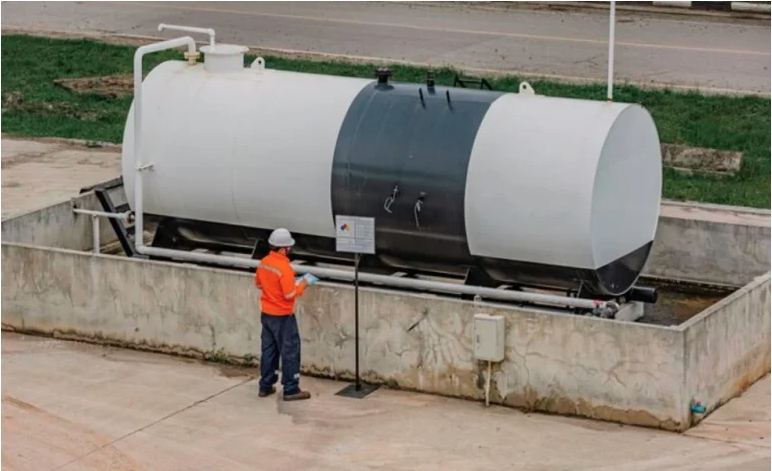
In modern buildings, industries, hospitals, and data centers, reliable backup power is very important. When the main electricity supply fails, generators take over to keep systems running without interruption. However, for a generator to work smoothly, it needs a constant and stable fuel supply. This is where a day tank plays a key role. A day tank is a small fuel storage unit that ensures generators receive fuel in a controlled and efficient way. Without it, backup power systems may face delays, interruptions, or performance issues during critical times.
What is a Day Tank in Generator Systems
A day tank is a short-term fuel storage container that supplies diesel or other fuel directly to a generator. Unlike large fuel storage tanks, it is designed to hold only enough fuel for a limited period, usually a single day of operation. The main purpose of a day tank is to ensure that the generator always has immediate access to fuel without relying on long pipelines or external fuel transfers during operation.
This system is commonly installed close to the generator to reduce fuel delivery time and improve efficiency. It also helps maintain consistent fuel pressure, which is essential for stable generator performance.
How Day Tanks Improve Backup Power Reliability
One of the most important roles of a day tank is improving the reliability of backup power systems. When there is a power failure, every second matters, especially in places like hospitals, airports, and data centers. A day tank ensures that the generator starts and continues running without delay or fuel shortage.
By providing a steady supply of fuel, it eliminates the risk of air entering the fuel line or interruptions caused by external pumping systems. This stability allows the generator to operate smoothly even during long power outages. As a result, businesses and essential services can continue functioning without disruption.
Efficiency and Fuel Management Benefits
A day tank also plays a significant role in improving fuel management. Since it stores only a limited amount of fuel, it reduces the chances of fuel contamination and sediment buildup. Fresh fuel is used more frequently, which improves generator efficiency and reduces maintenance issues.
In addition, day tanks often include automatic control systems that monitor fuel levels. When the fuel drops below a certain level, it is automatically refilled from a larger main storage tank. This reduces manual work and ensures that the generator is always ready for use. It also helps facility managers track fuel usage more accurately and plan refills in advance.
Safety and Operational Advantages
Safety is another major advantage of using a day tank. Storing smaller amounts of fuel near the generator reduces the risks associated with large fuel storage near sensitive equipment. Most day tanks are designed with safety features such as overflow protection, ventilation systems, and secure containment structures to prevent leaks or spills.
Operationally, day tanks simplify generator maintenance and reduce the workload of technical staff. Since fuel delivery is automated and controlled, there is less need for constant monitoring. This allows maintenance teams to focus on other important aspects of generator performance and system health.
Importance in Critical Infrastructure
In critical infrastructure environments, even a short power failure can cause serious problems. Hospitals rely on backup power for life-support machines, while data centers depend on continuous electricity to prevent data loss. In such environments, a day tank becomes an essential part of the power system.
It ensures that generators can run for extended periods without interruption, giving enough time for main power restoration or fuel resupply. This makes it a key component in emergency preparedness planning and energy security.
Conclusion
A day tank is a vital part of modern generator systems, ensuring reliable fuel supply, improved efficiency, and enhanced safety. It supports continuous backup power by providing generators with immediate access to fuel whenever needed. Whether in industrial facilities or critical service environments, the day tank plays an important role in keeping operations stable during power outages.