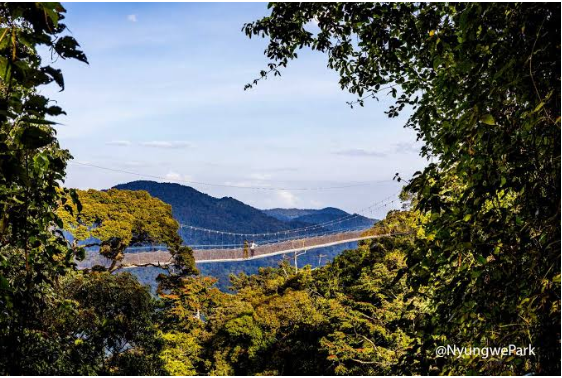
Some places announce themselves slowly. In Nyungwe Forest National Park, the first thing you notice is the cool, damp air. Then the sound: a chorus of birds, the distant whoops of chimpanzees, the rustle of colobus monkeys moving through the canopy. Mist hangs in the valleys, tree ferns arch over the trail, and the forest seems to stretch on forever.
Nyungwe is one of Africa’s oldest and best-preserved montane rainforests, and it is one of the richest places on the continent for primates and birds. Tucked into the southwest of Rwanda, it offers chimpanzee trekking, a thrilling canopy walkway, waterfalls, and some of the country’s finest hiking. This guide explains what to see and do, when to go, how to get there, and how to plan a rewarding visit.
About Nyungwe Forest National Park
Nyungwe covers a large block of highland forest in southwestern Rwanda, bordering Burundi and linking to forest areas beyond. It forms part of the Albertine Rift, a region famous for its biodiversity and for the number of species found nowhere else.
The forest is a vital water catchment for Rwanda, feeding rivers that flow toward both the Nile and the Congo basins. It shelters hundreds of bird species, a notable variety of primates, orchids, tree ferns, and many other plants, making it a favorite with naturalists and photographers.
Nyungwe has been protected for decades, and tourism has grown carefully around it. Park fees support management, anti-poaching work, and community projects in surrounding villages, which gives local people a stake in keeping the forest intact.
Wildlife You Can Expect to See
Chimpanzees. Habituated groups can be visited on guided treks, and the forest is a leading destination for chimpanzee tracking in East Africa.
Other primates. Nyungwe is home to a notable number of primate species. Large troops of Angolan colobus monkeys are a highlight, and visitors may also see other monkeys such as L’Hoest’s and blue monkeys, depending on the route and the day.
Birds. The forest is a prime birdwatching destination, with many species restricted to the Albertine Rift. Early morning walks are the most productive, and local guides are skilled at spotting and identifying birds by sound.
Plants and butterflies. Tree ferns, giant lobelias, orchids, and a rich variety of butterflies add color and texture to every hike.
Sightings are never guaranteed, since these are wild animals in dense forest, but guides and trackers work hard to give visitors the best chances.
Top Things to Do in Nyungwe
Chimpanzee Trekking
Chimpanzee trekking is the signature activity. Groups set out early in the morning with a guide and trackers who have located the chimpanzees. The terrain is steep and the forest is thick, so the hike can be demanding, but the reward is a close view of these lively, expressive animals as they feed, groom, and travel through the trees. Visitors typically spend a limited time with the group once they find it, under rules that protect the animals.
The Canopy Walkway
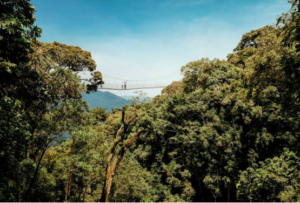
A suspension walkway high above the forest floor gives a rare view of the treetops and the forest below. It is one of the park’s most popular attractions and a highlight for photographers, though it is best avoided if you are uncomfortable with heights. Morning visits often offer clearer views before mist rolls in.
Colobus Monkey Tracking
Guided walks to find the large troops of colobus monkeys are shorter and easier than chimpanzee treks, which makes them suitable for a wider range of fitness levels.
Hiking Trails and Waterfalls
Nyungwe has a network of marked trails of varying length and difficulty. Walks lead to waterfalls, viewpoints, and quiet stretches of forest, and guides can recommend routes that suit your time and energy. Some trails are short and gentle, while others are long and challenging.
Birdwatching
Whether you walk a short trail or spend several days in the park, the birding is outstanding. Specialists often plan itineraries around Albertine Rift endemics.
Tea Plantation and Community Visits
The tea estates near the forest offer scenic walks and a look at how tea is grown and processed. Community visits and cultural performances show how local people live alongside the park.
How to Get to Nyungwe
Nyungwe lies in the southwest of Rwanda. The drive from Kigali takes roughly five to six hours, depending on traffic and the route, and the road winds through hills, tea fields, and villages. Many visitors break the journey with a stop at a lake or town such as Butare (Huye), or approach Nyungwe from Lake Kivu, which is closer. Most travelers go with a driver-guide in a private vehicle, which also lets them stop for photographs.
Where to Stay
Accommodation around Nyungwe ranges from mid-range lodges and eco-lodges to luxury retreats, many with views over the forest or tea plantations. Staying close to the park saves time on early-morning activities, since chimpanzee treks and bird walks begin at dawn. Book early in the dry seasons, as the number of rooms is limited.
Best Time to Visit Nyungwe
Nyungwe has a cool, wet climate, and rain can fall at any time. Still, there are clear seasonal patterns.
- Dry seasons (June to September and December to February): The best window for hiking and tracking. Trails are firmer, views are clearer, and the canopy walkway is more pleasant. These months are the busiest, so book ahead.
- Wet seasons (March to May and October to November): Expect more rain and mud, but fewer visitors and lush, green scenery. Chimpanzee trekking is still possible, though trails can be slippery.
Since it is October now, travelers planning for the June to September window should begin arranging lodging and permits several months ahead.
How Many Days Do You Need?
One night allows a canopy walk and one morning activity, but it is a lot of driving for a short stay. Two nights is better, giving time for chimpanzee trekking, the canopy walkway, and a forest hike. Three nights suits birders, photographers, and travelers who want a slower pace.
Combining Nyungwe With Other Rwanda Experiences
Nyungwe fits easily into a longer itinerary.
- Gorilla trekking in Volcanoes National Park, in the northwest
- Akagera National Park for savannah game drives and boat safaris
- Lake Kivu, a relaxing lakeside stop between Volcanoes and Nyungwe
- Kigali, with the Genocide Memorial, galleries, and cafes
- Huye (Butare), with its museum and cultural sites
A well-rounded week in Rwanda might combine Kigali, Volcanoes, Lake Kivu, and Nyungwe, with a night or two in Akagera if time allows.
Costs and Permits
Chimpanzee trekking requires a permit issued through the Rwanda Development Board or a licensed operator. The canopy walkway and other activities may carry separate fees. Prices and conditions can change, so confirm current rates and availability with the Rwanda Development Board or your operator before you set a budget.
Beyond fees, plan for accommodation, transport, meals, guides, and tips. An itemized quote helps you compare options fairly.
Fitness and Preparation
Nyungwe is hilly, humid, and often muddy. Chimpanzee treks can be tiring because the forest floor is uneven and the slopes are steep. You do not need to be an athlete, but you should be able to walk for several hours. Regular walking or stair climbing in the weeks beforehand helps, and a porter or walking stick can make the day easier. Tell your operator about any mobility concerns so guides can choose appropriate routes.
What to Pack
- Waterproof hiking boots with ankle support
- Long-sleeved tops and long trousers in muted colors
- A lightweight rain jacket or poncho
- A warm layer, since mornings are cool
- Gloves for gripping vegetation
- A hat, sunscreen, and insect repellent
- Binoculars for birds and monkeys
- A camera or phone without flash, plus spare batteries
- A refillable water bottle and snacks
- A small daypack with a dry bag
Rules and Etiquette
Keep a respectful distance from chimpanzees and other wildlife, and follow your guide’s instructions at all times. Keep your voice low, avoid sudden movements, and do not use flash. Do not eat or drink near the animals, and anyone with a contagious illness may be refused entry, since primates are vulnerable to human diseases. Stay on marked trails and take all litter with you.
Choosing a Responsible Operator
Look for a licensed local operator with itemized pricing, strong recent reviews, and clear cancellation terms. Ask who books your permits and how date changes are handled. Responsible operators hire local guides, support nearby communities, and follow park rules. Be cautious of prices that look unusually low, since they may mean compromises on guiding or fair wages.
Why Visiting Nyungwe Matters
Forests like Nyungwe protect water, wildlife, and climate, and they only survive when people have good reasons to look after them. Visitor fees and local employment give communities a direct benefit from keeping the forest standing. Every trek and walk contributes to that effort, which makes a visit both enjoyable and worthwhile.
Conclusion
Visiting Nyungwe adds a quieter, wilder chapter to a trip to Rwanda. Here you can follow chimpanzees through the trees, walk above the canopy, watch colobus monkeys leap between branches, and listen to some of the richest birdlife in the region. The forest is cool, green, and endlessly interesting, and it pairs well with gorillas, Akagera, and Lake Kivu for a complete Rwandan journey. Allow at least two nights, pack for rain, prepare for hills, and travel with a trusted operator. Nyungwe rewards patience and curiosity, and it leaves a lasting impression.
Key Takeaways
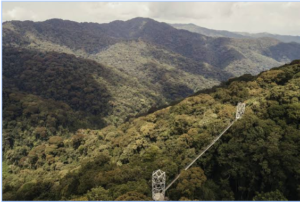
- Nyungwe is one of Africa’s oldest montane rainforests, in southwestern Rwanda.
- Highlights include chimpanzee trekking, the canopy walkway, colobus monkeys, and birdwatching.
- The drive from Kigali takes roughly five to six hours.
- Dry seasons are best for hiking, while wet seasons are greener and quieter.
- Two to three nights is ideal for a relaxed visit.
- Nyungwe pairs well with Volcanoes National Park, Akagera, and Lake Kivu.
- Confirm current permit prices and conditions with the Rwanda Development Board or a licensed operator.
- Choose a responsible operator and follow wildlife rules.
Frequently Asked Questions
Where is Nyungwe Forest National Park?
It is in southwestern Rwanda, near the border with Burundi, roughly five to six hours by road from Kigali.
What is Nyungwe famous for?
It is best known for chimpanzee trekking, its canopy walkway, large troops of colobus monkeys, and outstanding birdlife.
Can you see chimpanzees in Nyungwe?
Yes, habituated chimpanzee groups can be visited on guided treks, though sightings are never guaranteed.
How many days should I spend in Nyungwe?
Two nights is ideal, with one night as a minimum and three nights for birders and slower travelers.
What is the best time to visit Nyungwe?
June to September and December to February are the driest and most popular months. The wetter months are greener and quieter.
How difficult is chimpanzee trekking?
It ranges from moderate to challenging because of steep, muddy terrain. Guides can advise on routes that suit your fitness.
Is the canopy walkway safe?
It is a purpose-built suspension walkway operated by the park. It is best avoided by anyone with a strong fear of heights.
How much does it cost to visit Nyungwe?
Costs depend on activities, accommodation, and season. Confirm current permit prices and fees with the Rwanda Development Board or your operator.
Can I combine Nyungwe with gorilla trekking?
Yes. Many itineraries link Nyungwe with Volcanoes National Park via Lake Kivu or Kigali.
Is Nyungwe suitable for children?
Some activities, such as the canopy walkway and short trails, suit families, while chimpanzee trekking has age limits. Check with your operator.